• Plastic surgeries aimed at strengthening the pelvic floor — anterior colporrhaphy, colpoperineolevatorplasty. These surgeries should be performed in most cases of genital prolapse surgery as an additional or primary step. The surgery includes 2 stages:
- Anterior vaginal wall repair, aimed at strengthening the vesicovaginal fascia with absorbable sutures in transverse or interrupted layers.
In case of severe urinary incontinence, this operation can be supplemented with a TVT-O system (installation of this system is also possible as a standalone procedure).
- Perineolevatorplasty — anatomical reconstruction of the posterior vaginal wall, levator ani muscles, and perineal body. Performed in early stages of pelvic floor relaxation, it serves to prevent progressive descent.
• Operations aimed at strengthening the uterine fixation apparatus and positioning the uterine corpus in hyperanteflexio by plicating the cardinal and uterosacral ligaments anterior to the cervix. This group includes the Manchester operation and Shirodkar cervicopexy.
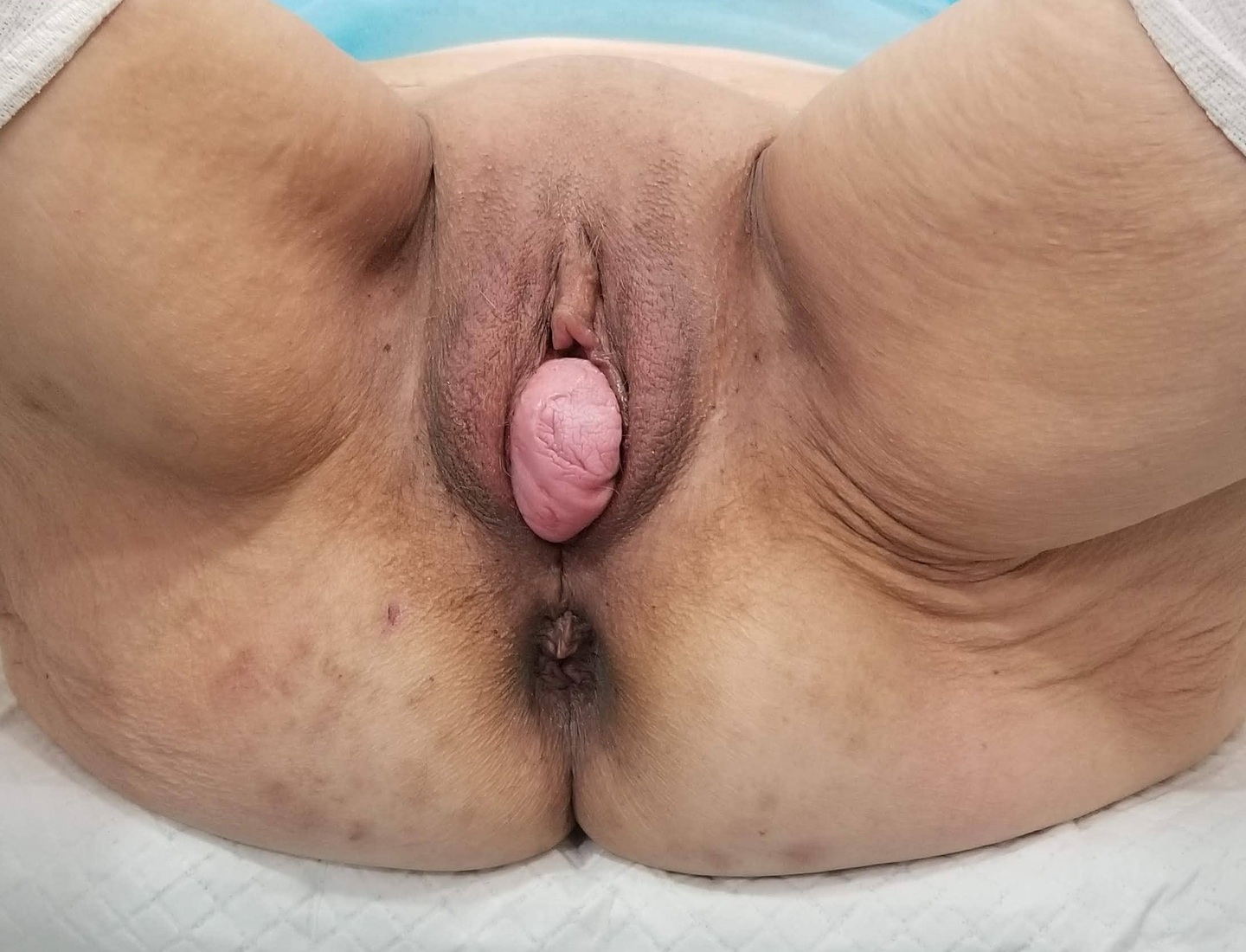
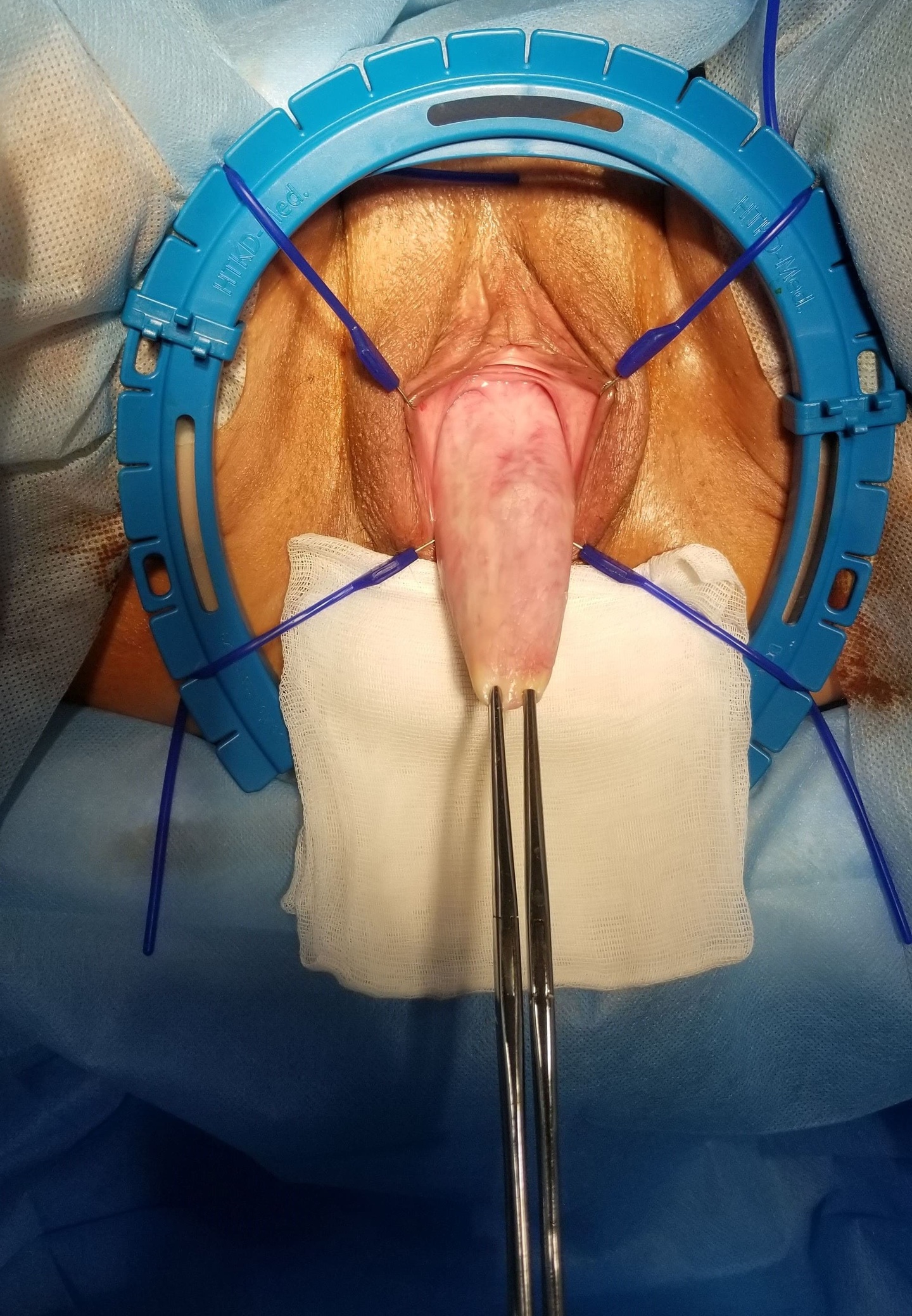
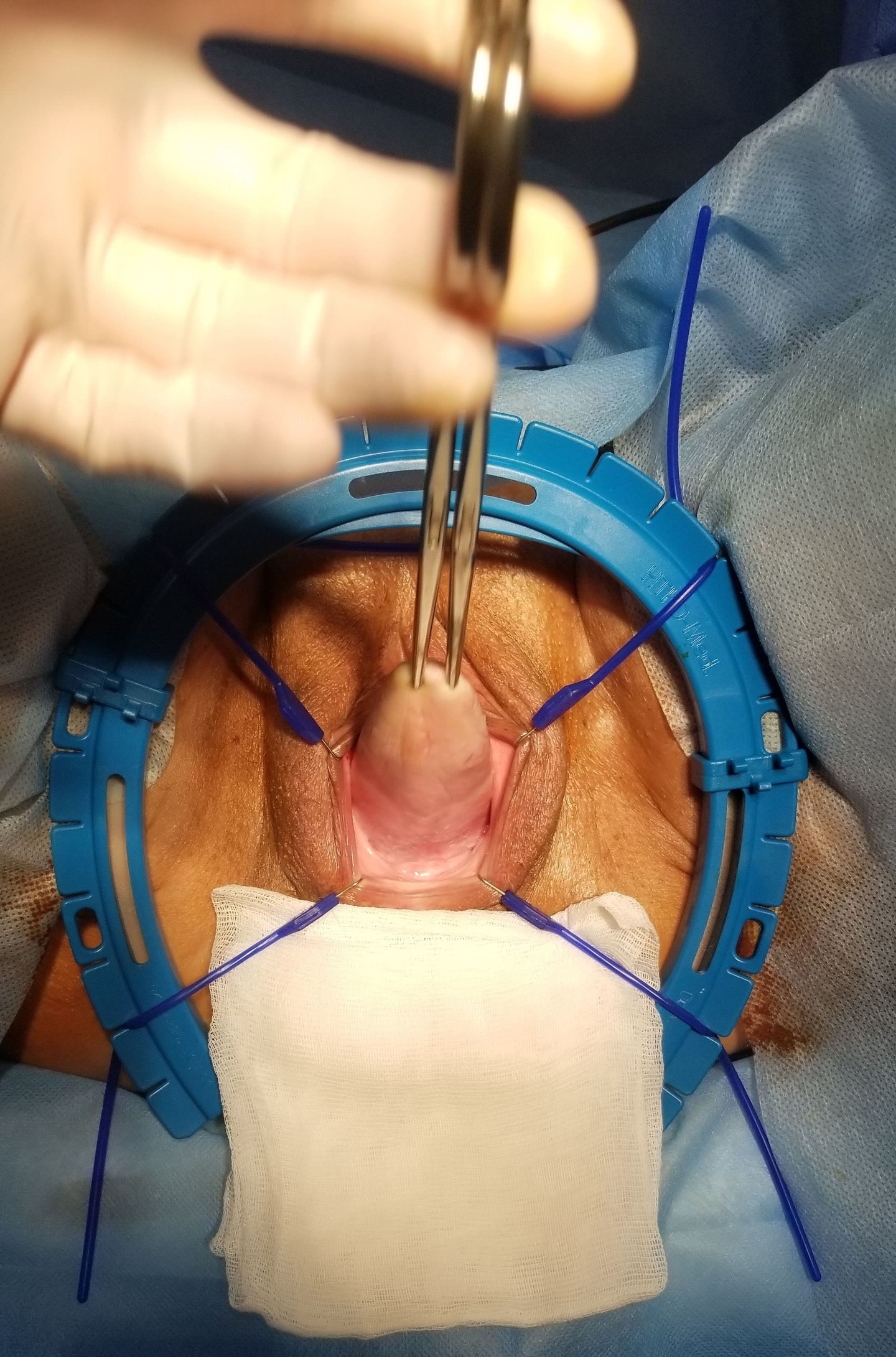
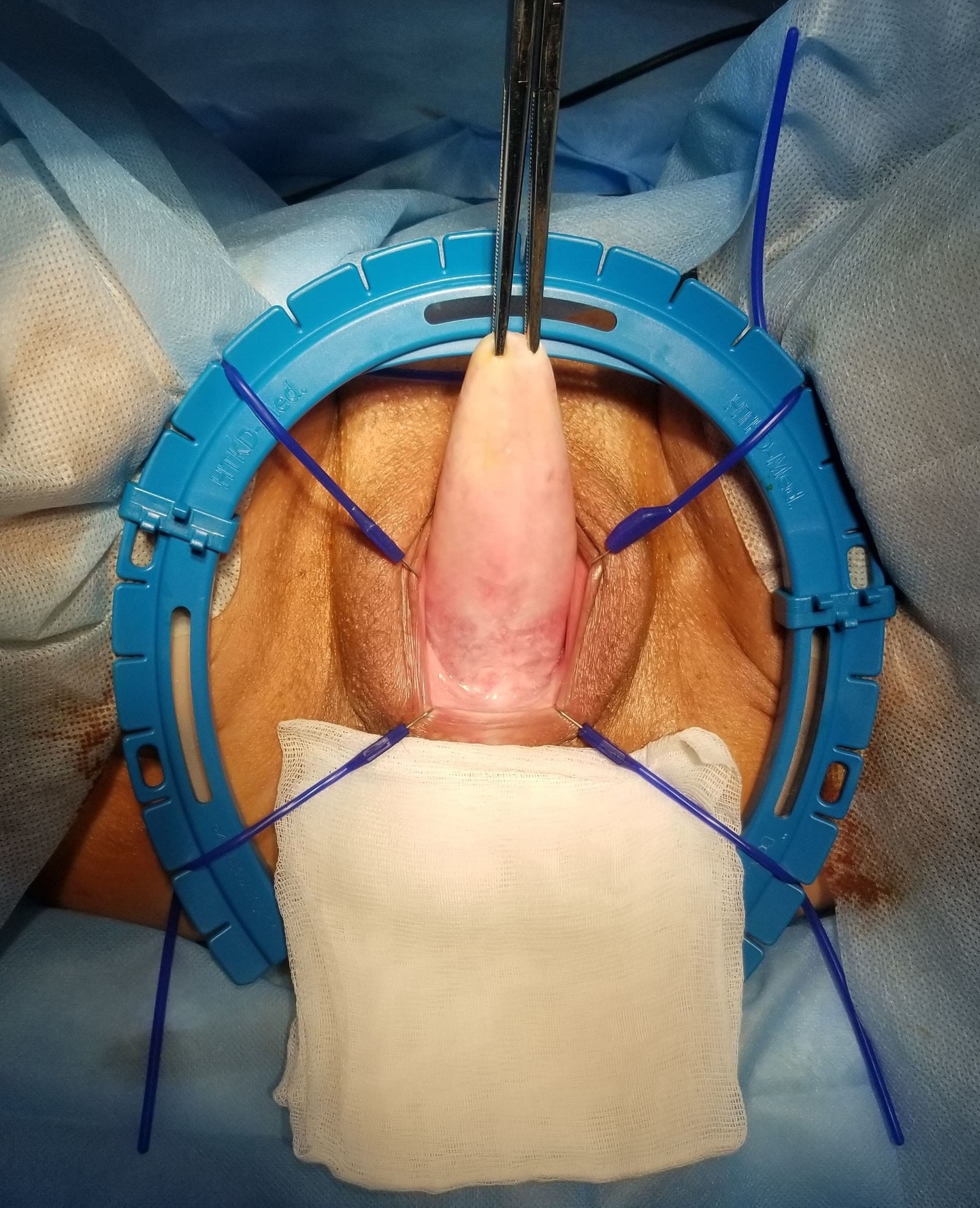
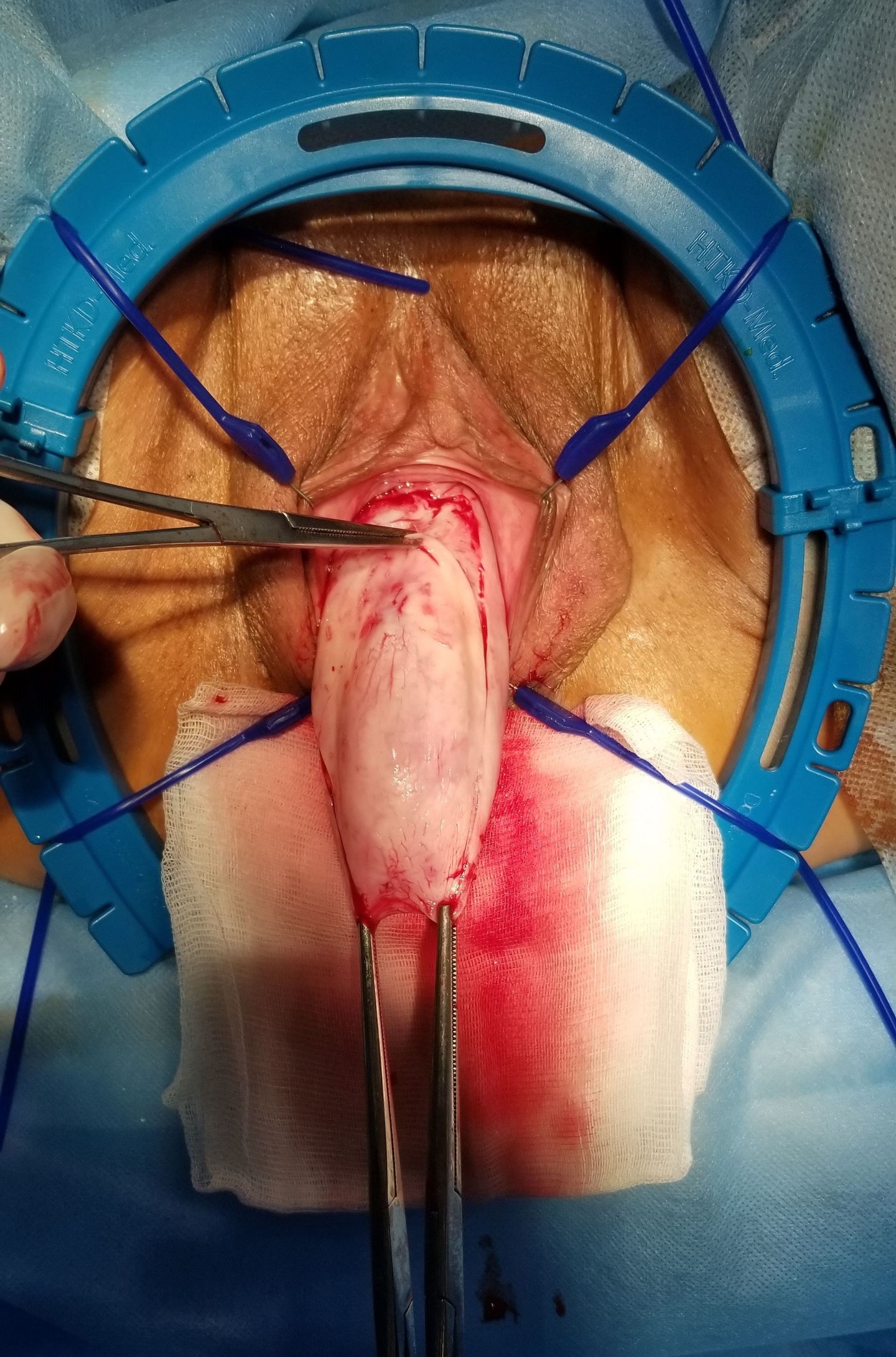
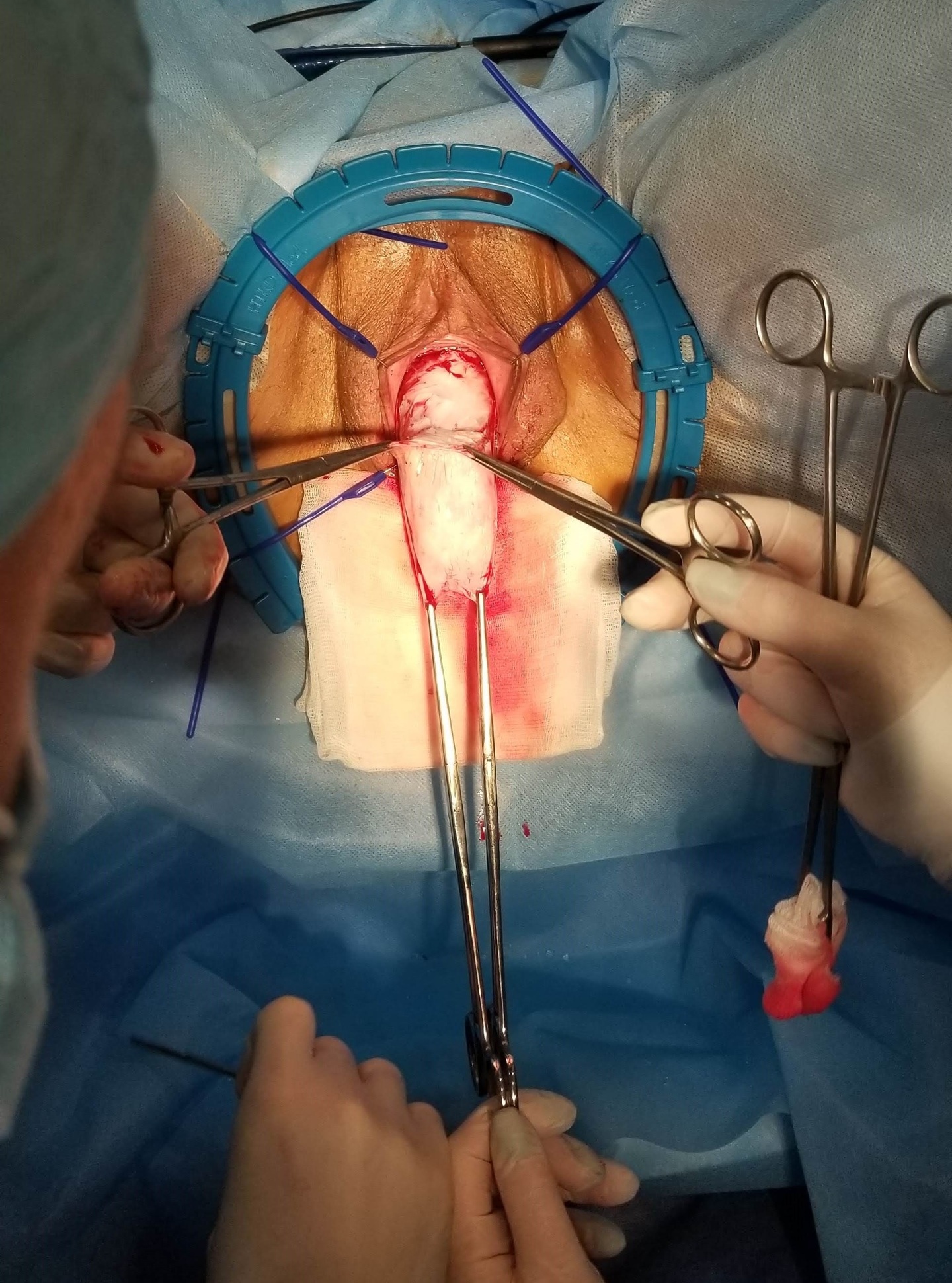
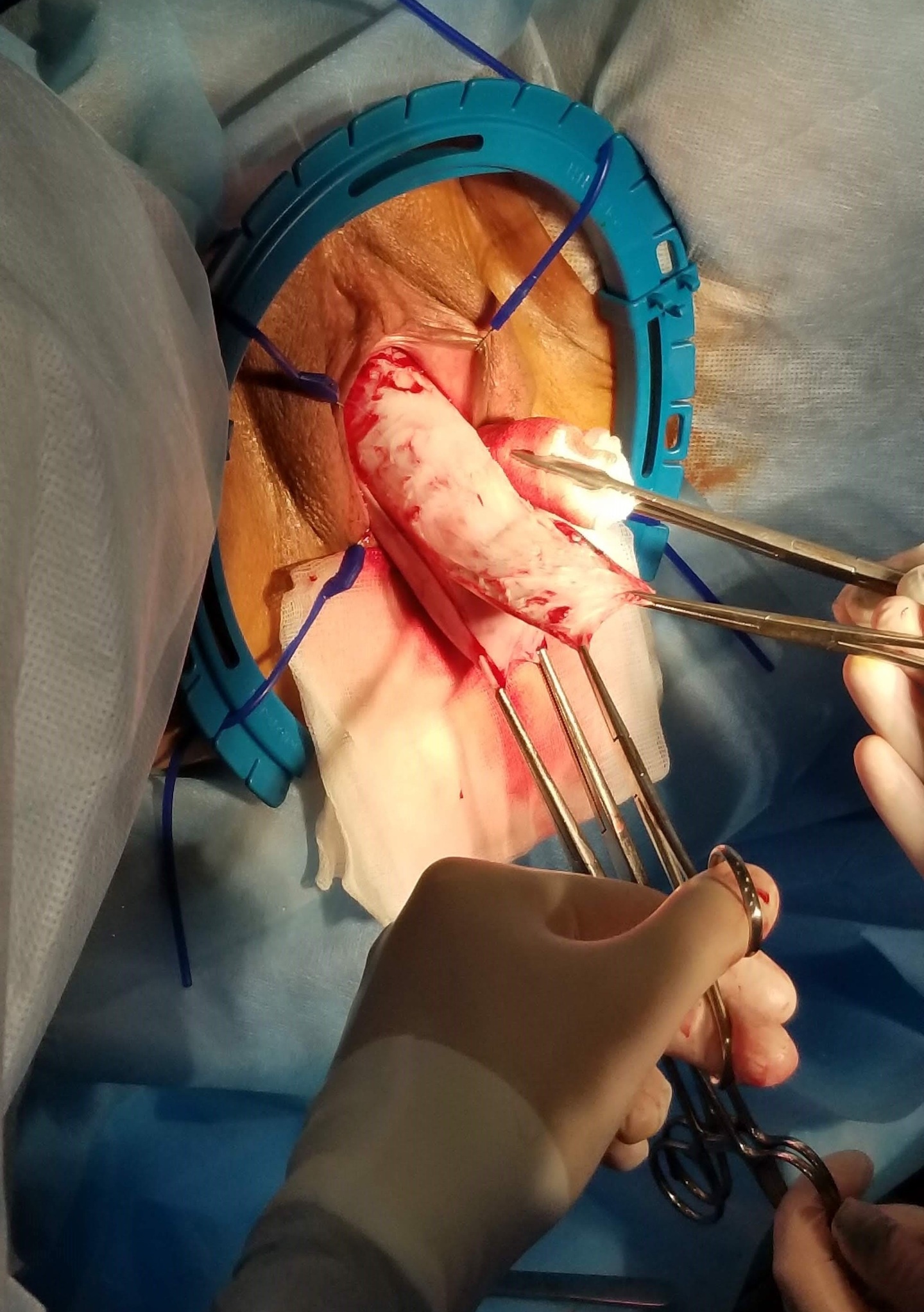
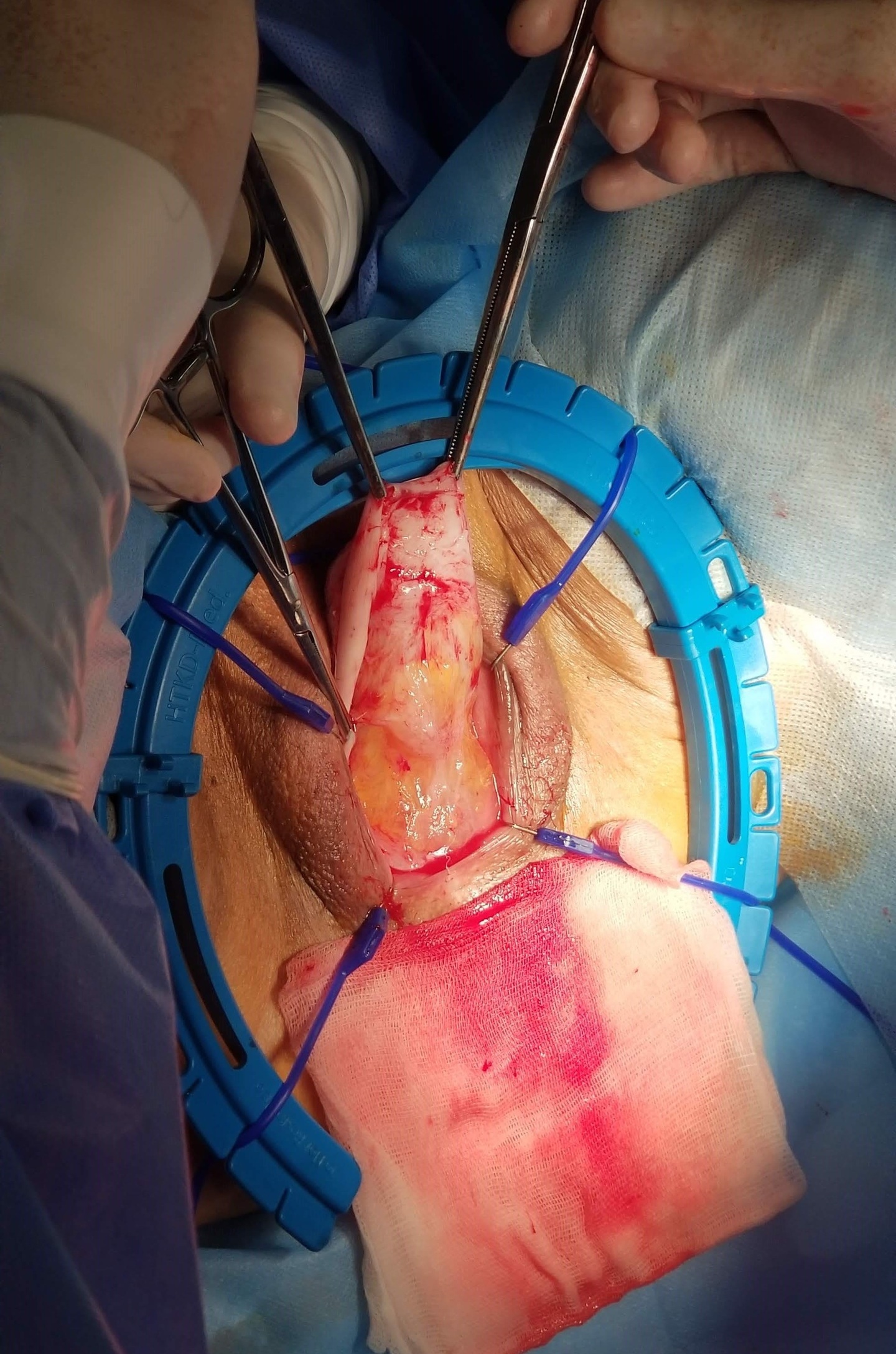
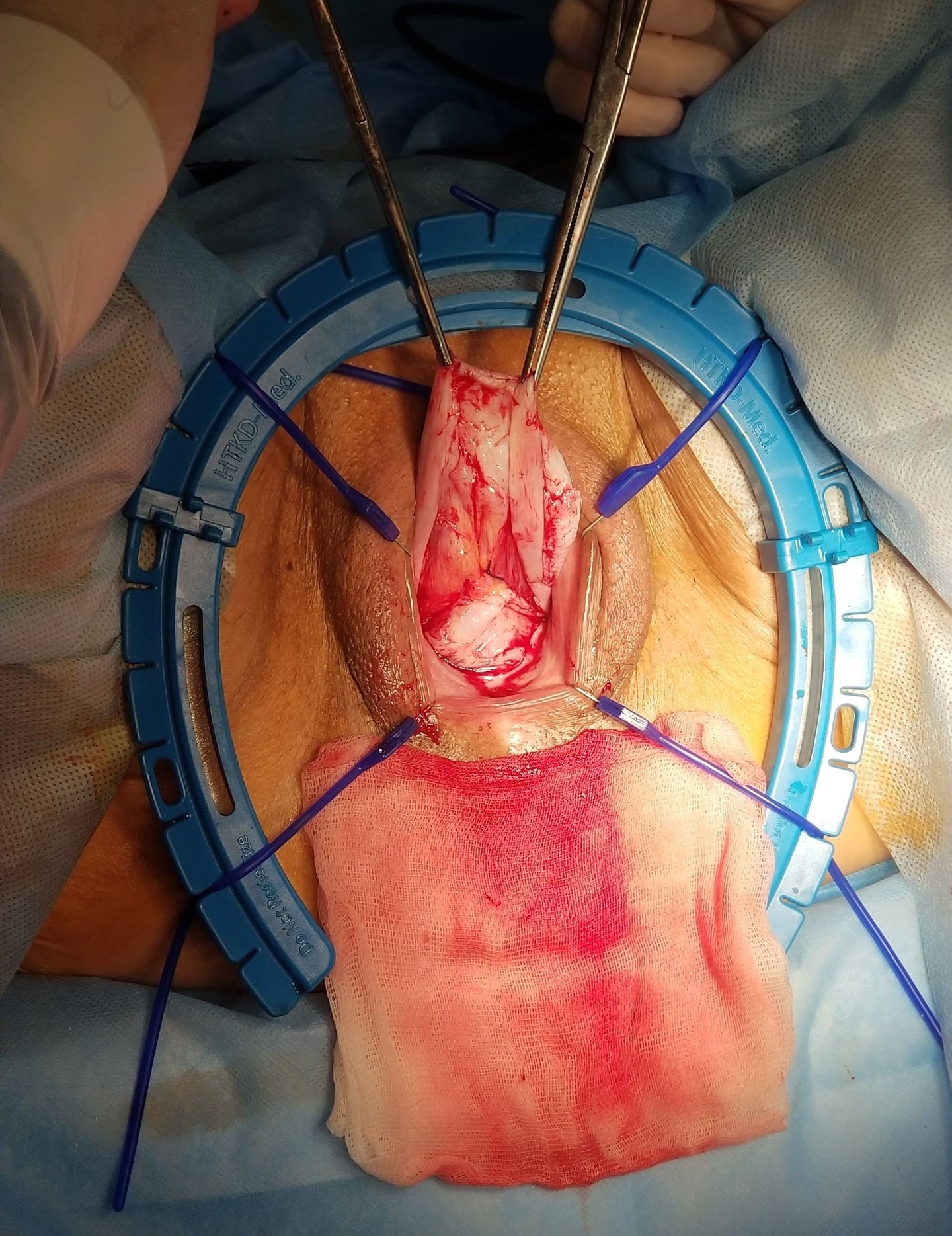
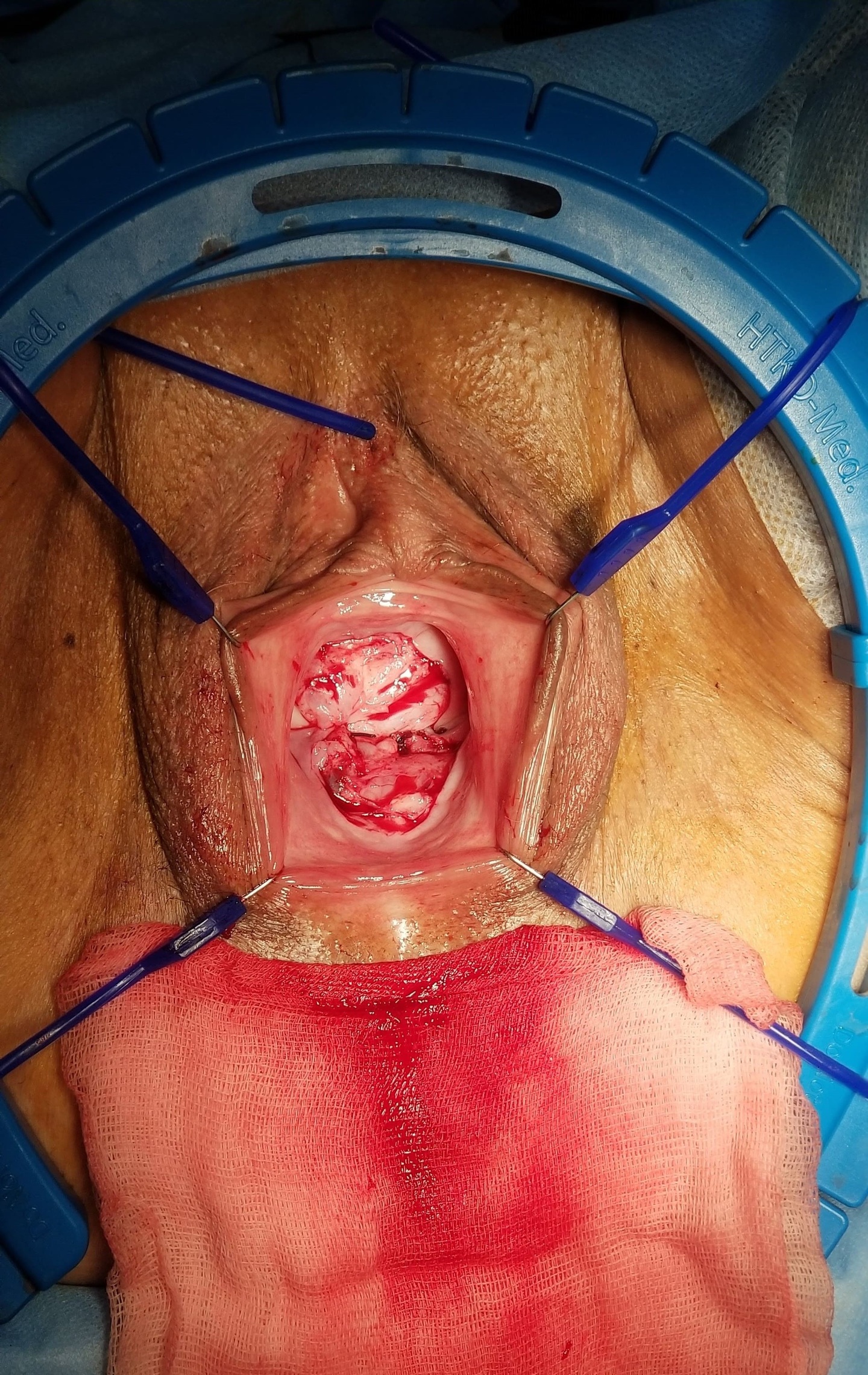
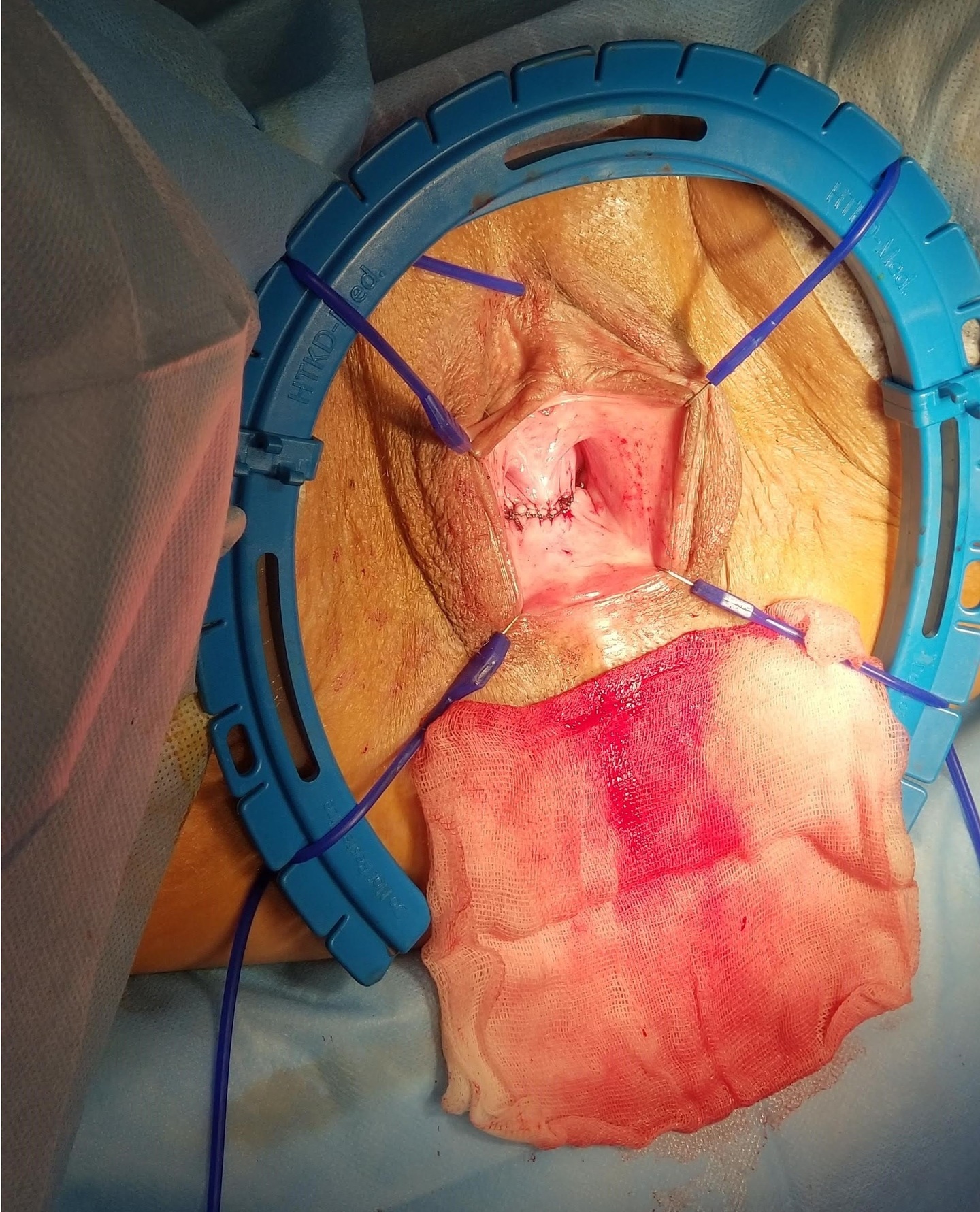
• Obliterative vaginal surgery (Neugebauer-Le Fort median colporrhaphy / colpocleisis). Sexual activity is no longer possible after this intervention; therefore, it is reserved for elderly patients who are not sexually active.
• Vaginal hysterectomy with simultaneous anterior colporrhaphy and colpoperineolevatorplasty. One of the reliable surgeries for total uterine prolapse.
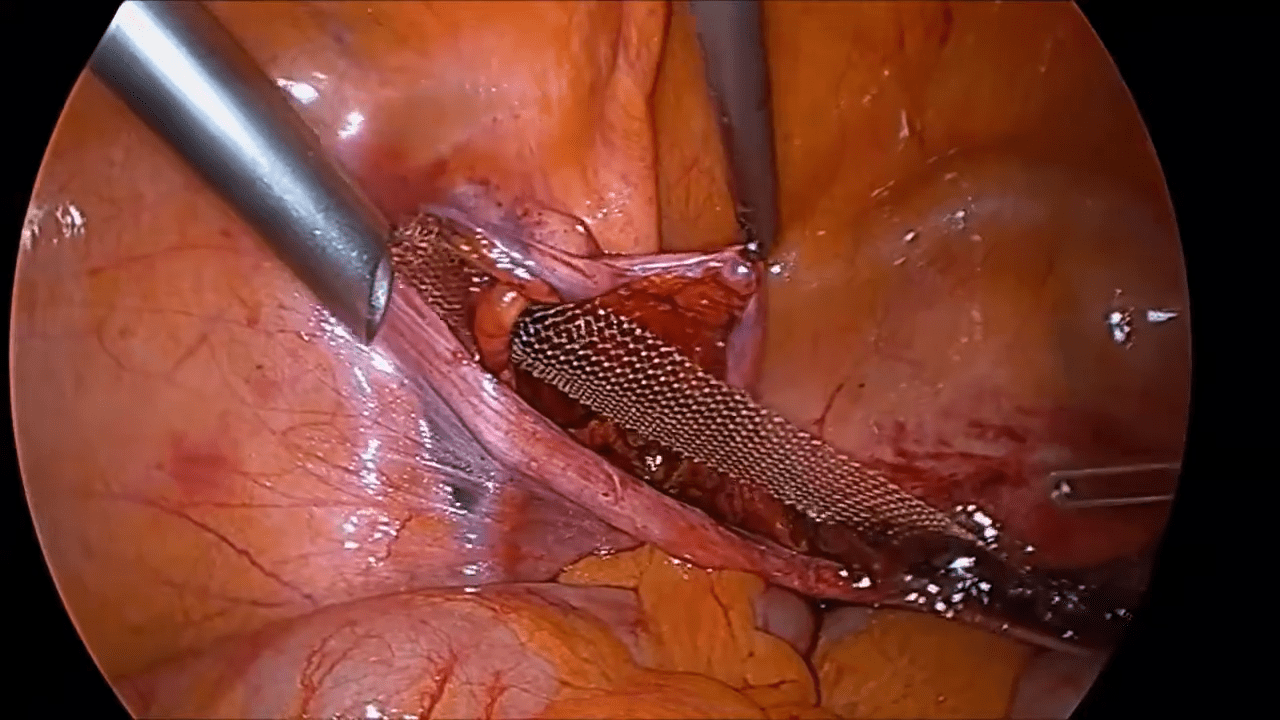
• Sacrospinous ligament fixation (Richter procedure) of the cervix or vaginal cuff is widely used for apical prolapse. The apex is fixed to the sacrospinous ligament of the pelvis unilaterally using strong sutures or mesh implants, preventing recurrent descent.
Year: 2020 Neugebauer-Le Fort median colporrhaphy
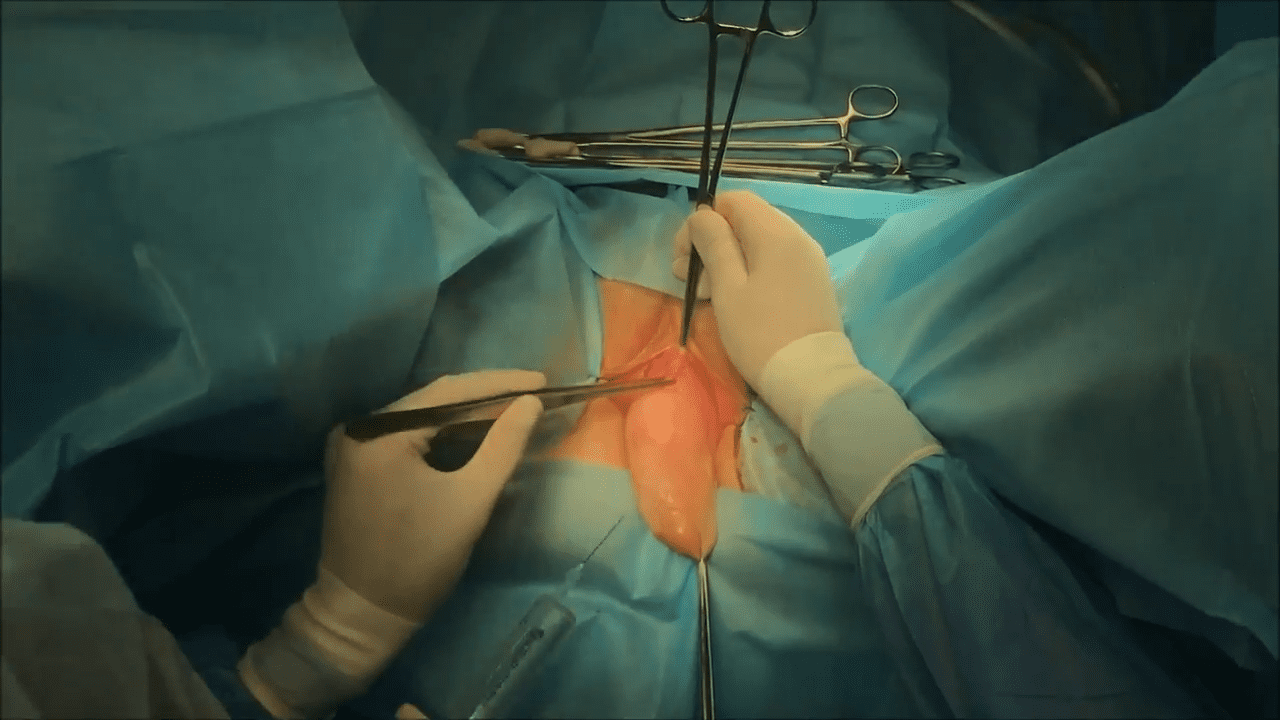
Year: 2017 LAVH, anterior and Posterior Repair (Colporrhaphy)